In observance of the holidays, our office will be closed from December 22, 2025 to December 26,2025.
We will be back in the office on December 29,2025.We wish you a happy and healthy holiday season !

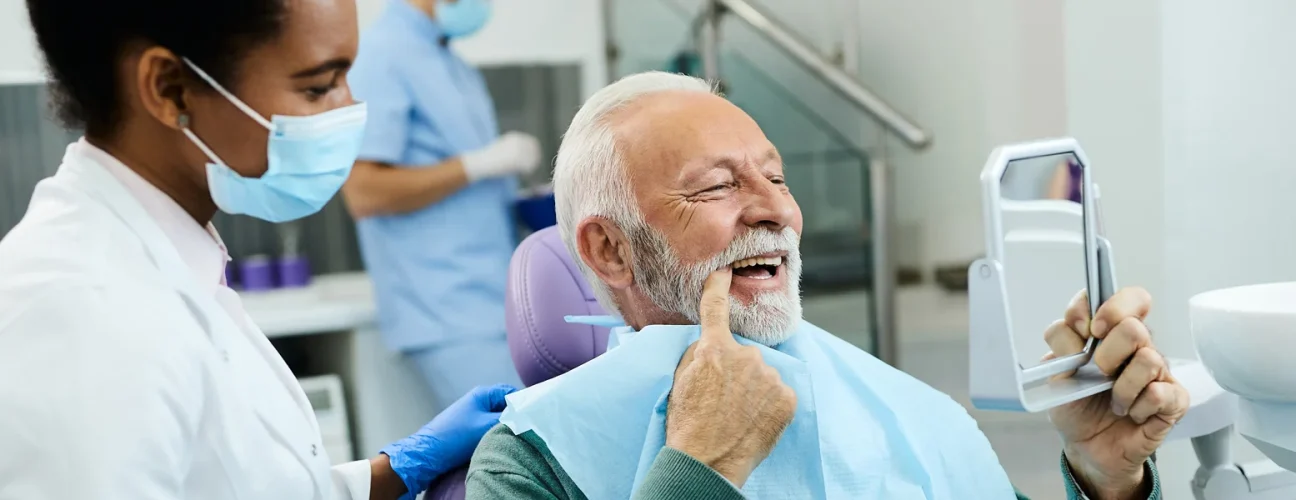
Are Dental Implants Worth It After Age 60? Here’s What You Need to Know
June 1, 2026Many adults adapt surprisingly well to life with a missing tooth, at least at first. Meals become slightly different, certain foods are avoided, and chewing may shift to one side without much thought. Over time, however, these small adjustments can become daily habits that affect comfort, confidence, and oral health.
If you are researching dental implants in Sugar Land, TX, you may be wondering whether replacing a missing tooth is still worthwhile after age 60. The reality is that dental implants are not limited by age. What matters most is the condition of your gums, jawbone, and overall dental health. For many older adults, implant treatment remains a practical option for restoring function and maintaining long-term oral stability.
Many residents throughout Sugar Land and nearby Fort Bend County communities explore implant-supported tooth replacement because they want a stable solution that supports both function and quality of life.
Are Dental Implants Worth It After Age 60?
Age alone rarely determines whether someone can receive dental implants.
What often changes over time is what patients hope to achieve. Some people want to chew more comfortably. Others are looking for a replacement that stays secure throughout the day without shifting. Many want to maintain their ability to enjoy meals, speak clearly, and feel comfortable in social settings.
Unlike some traditional replacement options, implants are designed to be placed within the jawbone. Once healing is complete, they can support a dental crown, bridge, or certain types of dentures.
For many older adults, implant therapy is appealing because it focuses on restoring function while helping preserve the structures that support the remaining teeth.
How Dental Implants Help Preserve Oral Health
When a tooth is lost, the visible gap is only part of the issue.
The jawbone relies on stimulation from tooth roots to maintain its structure. After tooth loss, that stimulation decreases, and changes in the surrounding bone can occur over time. Nearby teeth may also drift into the open space, affecting alignment and bite function.
Dental implants replace the missing tooth above the gumline and the root structure below the gumline.
Potential benefits may include:
- Improved chewing ability
- Greater stability than some removable appliances
- Support for natural speech patterns
- Continued stimulation of the jawbone
- Reduced movement of neighboring teeth
Individuals considering tooth replacement after 60 often focus on filling the gap left by a missing tooth. Equally important is preserving healthy bone and protecting surrounding teeth from unnecessary changes.
Who Is a Good Candidate for Dental Implants After 60?
There is no maximum age for dental implant treatment.
Instead, candidacy is determined through a comprehensive evaluation that considers:
- Gum health
- Available bone support
- Medical history
- Tobacco use
- Oral hygiene habits
- Overall health stability
Many older adults remain excellent candidates because they maintain healthy gums and attend regular dental visits.
Diagnostic imaging is often used to evaluate bone levels and determine whether implant placement is appropriate. If you have been searching for a dentist near me choose a provider who evaluates your individual health findings rather than making assumptions based on age.
The best candidates are those who understand the treatment process and are committed to maintaining good oral hygiene after placement.
What If You’ve Been Missing Teeth for Many Years?
Some people assume they have waited too long for implants because a tooth was lost years ago.
Fortunately, long-term tooth loss does not automatically eliminate treatment options.
Years after tooth loss, bone volume may be reduced; however, modern imaging techniques can provide valuable information about the condition of the jaw and the treatment options that may still be available.
Every case is different. The amount of remaining bone, the location of the missing tooth, and overall oral health all influence treatment planning.
Many adults exploring missing teeth solutions for seniors are surprised to learn that implant treatment may still be possible even after living with tooth loss for an extended period.
The condition of the mouth today is often more important than when the tooth was originally lost.
Ask Your Dentist Before Getting Dental Implants
Before moving forward with implant treatment, it is important to have a detailed discussion with your dentist.
Consider asking:
- Am I a good candidate for implant treatment?
- Is there enough bone support in the treatment area?
- What alternatives should I consider?
- How long will the process take?
- What type of maintenance will be required?
A dentist in Sugar Land, TX, can evaluate your oral health, review diagnostic findings, and explain which restorative options may be appropriate for your situation.
At Smiles on Greatwood Dentistry – Sugar Land, recommendations are based on each patient’s clinical needs, oral health status, and restorative goals rather than age alone.