In observance of the holidays, our office will be closed from December 22, 2025 to December 26,2025.
We will be back in the office on December 29,2025.We wish you a happy and healthy holiday season !

Veneers or Bonding? How to Choose the Right Cosmetic Treatment
March 10, 2026Many people explore cosmetic dentistry when they want to improve the appearance of their smile. Small chips, uneven tooth edges, stains, or minor gaps between teeth are common concerns. Patients researching veneers in Sugar Land, TX, often want to know how veneers compare with dental bonding and which option may better support their cosmetic goals.
Both veneers and bonding are commonly used to improve tooth appearance. These treatments can help design a more balanced smile while preserving natural tooth structure. However, they differ in materials, durability, and treatment approach. A consultation with a dependable dentist allows patients to discuss their goals and understand which option may be appropriate for their situation.
Understanding Veneers and Dental Bonding
Both veneers and bonding are cosmetic procedures designed to improve tooth appearance. Although they address similar cosmetic concerns, they use different materials and treatment methods.
Dental Veneers
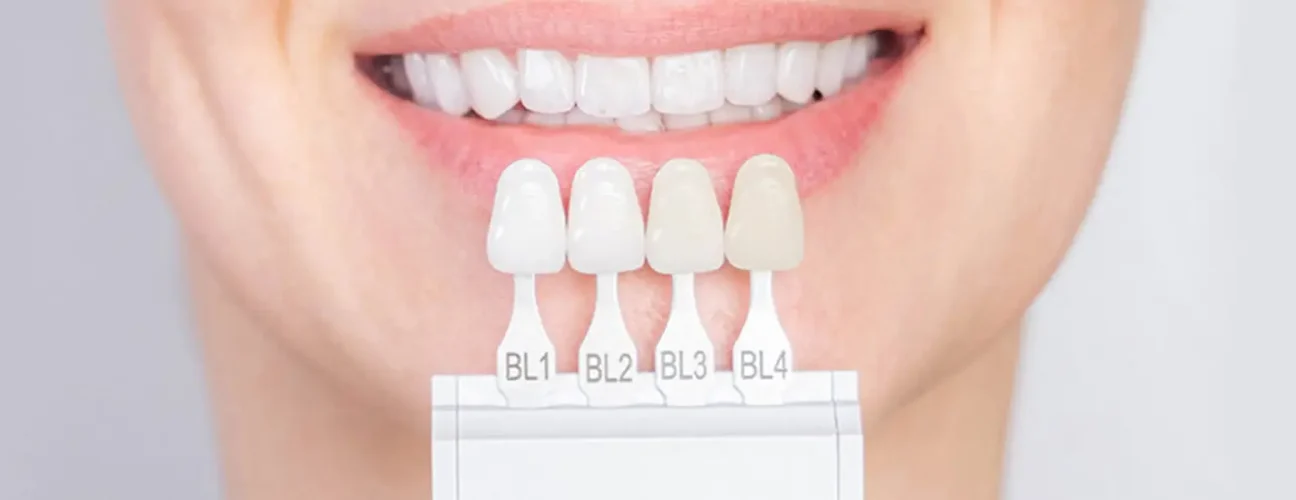
Veneers are delicate shells that are put on the front surface of teeth. They are usually made from porcelain or other durable materials designed to resemble natural enamel.
Veneers are often recommended for cosmetic concerns such as:
- Teeth with deep discoloration that do not respond to whitening
- Minor gaps between teeth
- Small chips or worn tooth edges
- Teeth that appear uneven or irregular in shape
During treatment, the dentist in Sugar Land, TX, prepares the tooth surface and bonds the veneer securely to the tooth. The result is a smoother and more uniform appearance.
Dental Bonding
Dental bonding uses a tooth-colored composite material applied directly to the tooth. The dentist shapes the material to improve the tooth’s appearance and then hardens it using a special curing light.
Bonding is commonly used to address:
- Minor chips or cracks
- Small gaps between teeth
- Slightly uneven tooth edges
- Areas of mild discoloration
Bonding often requires less preparation than veneers and can sometimes be completed in a single dental visit.
Patients searching online for a cosmetic dentist near me frequently ask about these two cosmetic treatments because both options can enhance a smile.
Comparing Durability Between Veneers and Bonding
Durability is one factor patients consider when choosing a cosmetic dental treatment. Both veneers and bonding can provide aesthetic improvements, but they differ in their long-term performance.
Veneer Longevity
Porcelain veneers are formulated to be durable and resistant to staining. With right type of oral hygiene and timely dental care, veneers can upkeep their appearance for many years.
Several factors influence veneer longevity:
- Consistent brushing and flossing
- Avoiding biting on tough objects such as ice
- Attending routine dental exams
- Using protective appliances if teeth grinding occurs
Because veneers are custom-made in a dental laboratory, they are designed to fit the tooth precisely and maintain a natural appearance.
Bonding Longevity
Bonding material is durable but may wear or stain more easily than porcelain. Composite resin is slightly more porous, which means it can absorb pigments from certain foods and beverages over time.
Factors that may affect bonding durability include:
- Daily oral hygiene habits
- Frequent exposure to staining foods or drinks
- Grinding or clenching teeth
- The size of the bonded area
In some cases, bonded areas may require maintenance or replacement after several years.
Choosing the Option That Fits Your Smile Goals
Selecting between veneers and bonding depends on several factors related to oral health and cosmetic goals. A dental consultation helps determine which treatment may be appropriate for a particular patient.
Dentists typically evaluate several aspects before recommending cosmetic treatment.
These factors often include:
- The condition and strength of tooth enamel
- The extent of cosmetic concerns
- The alignment and bite of the teeth
- The patient’s expectations for durability and appearance
Some patients prefer veneers because they provide a longer-lasting cosmetic solution. Others may choose bonding when the cosmetic concern is minor and requires less preparation.
Cosmetic dentistry concentrates on amping up the appearance of teeth while maintaining healthy tooth structure. Understanding treatment options helps patients select an approach that fits their needs.
Conclusion
Veneers and dental bonding are two commonly used cosmetic dental treatments that can improve the appearance of teeth affected by chips, stains, or uneven edges. Although both treatments address similar concerns, they differ in materials, durability, and treatment process.
Learning about these differences helps patients make informed choices about their dental care. A professional consultation allows a dentist to evaluate oral health, discuss cosmetic goals, and determine whether veneers or bonding may be appropriate.
Patients interested in cosmetic dental treatment options may schedule a consultation with Smiles on Greatwood Dentistry, where dental professionals provide guidance on treatments designed to enhance and maintain healthy smiles.