In observance of the holidays, our office will be closed from December 22, 2025 to December 26,2025.
We will be back in the office on December 29,2025.We wish you a happy and healthy holiday season !

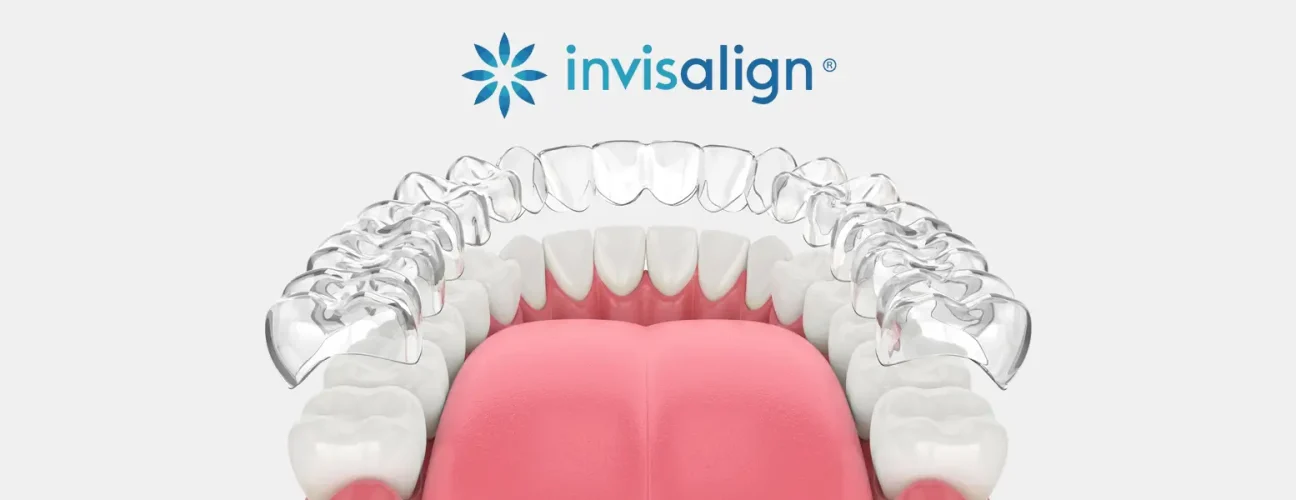
How Clear Aligners Create Space and Improve Tooth Alignment
March 1, 2026Tooth alignment plays an important role in daily oral function, hygiene access, and bite balance. When teeth are crowded or unevenly positioned, cleaning can become more challenging, and chewing forces may place uneven stress on certain areas of the mouth. Patients exploring options such as invisalign in Sugar Land TX, are typically evaluated to determine how gradual, controlled tooth movement may improve spacing while supporting gum and bone health. Clear aligner therapy is planned in stages so that teeth reposition slowly, allowing oral structures to adapt in a stable and predictable way.
How Misalignment Affects Oral Health
Crowded or rotated teeth can limit access for brushing and flossing. Plaque may collect in tight or overlapping areas, increasing the risk of enamel breakdown and gum inflammation over time. Dentists assess whether tooth position is contributing to these hygiene challenges by examining spacing, contact points, and gum condition.
Misalignment also affects how biting forces are distributed. When teeth do not meet evenly, certain areas of the mouth may experience increased pressure during chewing. This imbalance can contribute to localized wear, sensitivity, or structural strain on specific teeth. A dentist in Sugar Land TX, evaluates tooth position, bite contact, and periodontal health to determine whether alignment correction may help reduce these risks and support long-term stability.
Role of Advanced Digital Treatment Planning
Before aligner treatment begins, dentists conduct detailed digital evaluations of tooth position and bite relationships. Intraoral scans provide precise information about spacing, rotation, and contact across the dental arches. This data supports clinical planning of tooth movement before aligners are prescribed.
Digital treatment planning enables dentists to:
- Identify areas where spacing must be developed
- Determine the sequence in which teeth should move
- Evaluate how bite forces may change as alignment progresses
- Reduce unnecessary movement that could compromise stability
This planning process helps dentists manage alignment while considering bone support and gum health. For patients receiving Clear Aligners in Texas, digital evaluation helps dentists anticipate tooth movement and monitor changes throughout care.
How Clear Aligners Improve Overall Tooth Alignment
Clear aligners apply measured force to selected teeth through a series of custom-fitted trays. Each aligner delivers a specific amount of pressure that encourages incremental repositioning. Dentists plan tooth movement in phases so space opens progressively, allowing crowded teeth to realign without excessive strain on the bite.
Through this approach, dentists can:
- Address crowding by developing controlled spacing
- Correct tooth rotation with gradual force application
- Support balanced bite contact as alignment improves
- Monitor biological response during follow-up evaluations
Because aligners are removable, patients can maintain routine oral hygiene during treatment. Dentists review progress at scheduled visits to assess tooth movement and monitor gum tissue response, making adjustments when necessary to maintain stability.
Who Can Benefit Most from Clear Aligners
Clear aligners may be appropriate for adolescents and adults with mild to moderate alignment concerns. Patients with crowding, spacing irregularities, or minor bite discrepancies are commonly evaluated for this form of treatment. Dentists assess overall oral health, including gum condition and bone support, before determining whether aligner therapy is suitable.
In some situations, alignment correction improves spacing or bite relationships that are relevant to future dental care. In other cases, clear aligners help maintain stability following previous orthodontic treatment. Patients who begin their search for care near me often require a professional evaluation to determine whether aligner therapy is clinically appropriate for their needs.
Not all alignment concerns respond to aligners alone. Dentists determine suitability by evaluating bite complexity, the amount of tooth movement required, and the patient’s ability to follow wear instructions consistently.
Final Thoughts
Clear aligners support tooth alignment through gradual, controlled movement that prioritizes function and long-term stability. By developing space incrementally, aligner therapy can improve hygiene access and support balanced bite forces over time. At Smiles On Greatwood Dentistry, alignment planning emphasizes careful evaluation, predictable tooth movement, and sustained oral health rather than cosmetic outcomes alone.