Category: Blog

Restore Strength and Appearance with a Dental Crown
August 1, 2026A damaged tooth doesn’t always need to be removed, just as a cavity isn’t always solved with a simple filling. When a tooth becomes too weak to withstand normal chewing forces, protecting it becomes just as important as repairing it. For patients considering dental crowns in Sugar Land, TX, timely treatment can strengthen a compromised tooth, restore comfortable function, and help preserve the natural tooth for years to come.
What Is a Dental Crown and When Is It Recommended?
A dental crown is a durable, custom-crafted cap placed over a damaged or weakened tooth to strengthen and protect it. It is recommended when a filling alone cannot provide sufficient support because too much of the natural tooth structure has been lost. By covering the entire tooth, a crown helps strengthen it. It reduces the risk of future fractures. Using premium materials such as porcelain, zirconia, or ceramic, dental crowns are designed to strengthen teeth while blending seamlessly with your natural smile. Your dentist selects the most suitable material based on the tooth’s location, bite, and long-term treatment goals.
Signs You May Need a Dental Crown
No two teeth require the same treatment. Before recommending a crown, your dentist evaluates the overall condition of the tooth, surrounding tissues, and your bite to determine the most conservative solution.
A crown may be appropriate if you have:
- A large cavity that leaves a limited healthy tooth after decay removal
- A cracked or fractured tooth that can still be restored
- A tooth that needs extra strength after root canal therapy.
- A large filling that repeatedly fails or no longer seals the tooth effectively
- Noticeable wear caused by grinding or long-term acid erosion
- A weakened tooth that has undergone multiple restorative procedures
When you visit a dentist in Sugar Land, TX, the recommendation is based on clinical findings rather than symptoms alone.
How Dental Crowns Help Protect Your Natural Teeth
A dental crown helps preserve a weakened tooth by providing the support it needs for everyday function. It reinforces vulnerable areas, reducing the risk of further cracks or fractures. A properly fitted crown restores the tooth’s natural shape, making chewing more comfortable and cleaning easier. Modern ceramic crowns also blend seamlessly with surrounding teeth for a natural-looking smile.
How Long Do Dental Crowns Last?
There is no fixed lifespan for a dental crown because every restoration functions under different conditions. Many crowns remain in excellent condition for well over a decade when the supporting tooth stays healthy.
In most cases, replacement is not required because the crown material does not fail. More commonly, changes affecting the natural tooth, such as decay around the edge of the restoration, gum disease, or heavy grinding, influence how long the crown remains successful.
Routine dental examinations allow these concerns to be identified early. If you clench or grind your teeth while sleeping, your dentist may recommend a custom night guard to reduce excessive pressure on both your teeth and existing restorations.
Caring for Your Dental Crown
The crown itself cannot develop cavities, but the natural tooth supporting it still requires consistent care.
Pay particular attention to the margin where the crown meets the natural tooth, as plaque tends to accumulate there. Careful brushing with fluoride toothpaste and daily flossing help protect the underlying tooth from recurrent decay.
Avoid chewing ice, hard candy, popcorn kernels, or other hard objects that may place unnecessary stress on the restoration.
If your crown becomes loose, your bite suddenly feels different, or discomfort persists after treatment, schedule a dental evaluation promptly. Early intervention often prevents small concerns from developing into more extensive problems.
Why Choose Our Practice for Dental Crowns?
Successful treatment begins with an accurate diagnosis, not simply replacing damaged tooth structure. Careful planning allows your dentist to determine whether a crown is the most appropriate solution or whether another conservative treatment may better protect your oral health.
At Smiles On Greatwood Dentistry, every treatment plan is developed with long-term tooth preservation in mind. The focus is on creating restorations that fit comfortably, function predictably, and support lasting oral health. If you have been searching for a dentist near me, choosing a practice that emphasizes careful diagnosis, precise treatment planning, and preventive care can help improve the long-term success of your restoration.
FAQs

Jaw Clenching, Headaches, and TMJ Pain: Botox Could Be the Solution?
July 1, 2026Jaw tension, recurring headaches, and facial discomfort can make everyday activities less comfortable. In many cases, these concerns may be linked to temporomandibular joint (TMJ) disorders or habits such as teeth grinding and jaw clenching. If you are considering TMJ treatment in Sugar Land, TX, understanding the possible causes of your discomfort can help you discuss care options with your dentist. While mouthguards and lifestyle modifications are often recommended, some patients may also be candidates for Botox therapy following a professional evaluation.
Understanding TMJ Disorders and Bruxism
The temporomandibular joints serve as the hinge-like connection between the lower jaw and the skull, making it possible to chew, speak, yawn, and perform other jaw movements.
When these joints or the surrounding muscles become irritated or overworked, TMJ-related concerns can develop.
When a person grinds their teeth or clenches their jaw, a condition known as bruxism, it can place additional strain on the structures responsible for jaw movement and stability.
Some people clench their jaws during the day, while others grind their teeth at night without realizing it.
Ongoing clenching and grinding place added pressure on the jaw muscles and supporting structures. As strain accumulates, people may notice soreness, fatigue, headaches, or restricted jaw movement. A personalized approach to teeth-grinding treatment can focus on managing the effects of bruxism while also targeting the factors that may be causing or worsening it.
Common Symptoms of Jaw Clenching and TMJ Disorders
The signs of TMJ-related concerns can vary from person to person, depending on the underlying factors and severity. Common symptoms may include:
- Jaw soreness or tightness
- Frequent headaches
- Facial muscle fatigue
- Noticeable clicking or popping sounds in the jaw joint during activities such as talking, chewing, or yawning
- Difficulty chewing comfortably
- Neck or shoulder tension
- Limited jaw movement
- Ear discomfort without signs of infection
Because several conditions can produce similar concerns, a clinical assessment is important before care recommendations are made.
Some people are surprised to learn that headaches and facial discomfort may be linked to jaw muscle tension rather than another underlying cause.
How Botox Works for TMJ and Jaw Clenching
As a prescription medication, Botox works by temporarily reducing the activity of certain muscles that contribute to chronic clenching and bruxism. As part of a comprehensive care plan, it may help reduce muscle overactivity associated with these habits. Botox treatment is intended to decrease overactive muscle activity without interfering with everyday jaw function. Relaxing certain muscles may help reduce stress on the jaw and nearby structures.
For some patients, reducing muscle tension may help ease jaw soreness, decrease headache frequency, and support easier jaw movement.
It is important to understand that Botox does not address every cause of TMJ discomfort. Because TMJ-related concerns can develop for different reasons, Botox is not suitable for every case.
People exploring jaw clenching treatment should know that recommendations vary based on the cause and severity of their condition. A detailed assessment helps identify whether Botox, a custom nightguard, lifestyle modifications, or another management strategy may be beneficial.
TMJ disorders may involve the jaw joints, chewing muscles, or surrounding tissues. This is why an accurate diagnosis plays an important role in treatment planning.
When Should You See a Dentist for TMJ Symptoms?
While mild jaw discomfort may sometimes improve without intervention, ongoing concerns warrant professional attention.
Consider scheduling an appointment if you experience:
- Frequent headaches accompanied by jaw tension
- Persistent jaw pain or facial soreness
- Clicking, popping, or locking of the jaw
- Difficulty chewing or opening your mouth comfortably
- Signs of tooth wear related to grinding
- Morning jaw stiffness or fatigue
A dentist in Sugar Land, TX, can assess your concerns, evaluate jaw function, and identify factors that may be contributing to your discomfort.
For those searching online for a dentist near me, choosing a provider who can perform a thorough assessment is an important first step toward understanding the cause of jaw discomfort and discussing potential solutions.
Finding the Right Path to Relief
Jaw clenching, teeth grinding, and TMJ-related discomfort can affect more than just oral health. These concerns may contribute to headaches, facial tension, and challenges with routine activities such as eating and speaking.
Botox may help manage concerns associated with excessive muscle activity, although it is not the right approach for every patient. The most effective strategy begins with a thorough examination and an accurate diagnosis.
At Smiles on Greatwood Dentistry – Sugar Land, care recommendations are based on each patient’s symptoms, oral health needs, and treatment goals. Understanding the source of the problem is the first step toward developing an effective plan for long-term oral health and improved jaw function.
Frequently Asked Questions

Healthy Smile Starts Here: Essential Oral Hygiene Tips
June 10, 2026A healthy smile depends on consistent daily habits and regular professional care. Many people schedule visits with a dentist in Sugar Land, TX, to learn how to protect their teeth and gums from common concerns such as cavities or gum inflammation. While professional care plays an important role, daily hygiene routines at home are equally essential for maintaining oral health.
Oral hygiene includes brushing, flossing, balanced nutrition, and regular dental visits. These practices help reduce plaque buildup and support effective dental care throughout life. When healthy habits become part of a daily routine, the risk of tooth decay and gum disease can decrease significantly.
Getting a know-how of the connection between oral hygiene and overall health can help individuals take practical steps toward maintaining strong teeth and healthy gums.
The Role Oral Hygiene Plays in Whole-Body Health
Oral hygiene supports more than just the appearance of a smile. The mouth contains bacteria that interact with the rest of the body through saliva and the bloodstream. When plaque accumulates on the teeth and along the gumline, bacteria may irritate the surrounding tissues and contribute to gum inflammation.
Healthy daily habits help protect dental hygiene and periodontal health in Sugar Land, TX, by reducing plaque and supporting the natural balance of bacteria in the mouth.
Several oral hygiene practices help maintain healthy teeth and gums.
These practices include:
- Brushing teeth twice each day
- Brushing clears plaque and food particles from the tooth surfaces.
- Flossing daily
- Flossing cleans the areas between teeth that toothbrush bristles cannot reach.
- Using fluoride toothpaste
- Fluoride strengthens enamel and supports cavity prevention.
- Replacing toothbrushes regularly
- A toothbrush with worn bristles may not clean teeth effectively.
Maintaining these habits helps protect gum tissue and supports long-term oral health.
Choosing Foods That Support Strong Teeth
Daily nutrition influences oral health in several ways. The foods and beverages consumed through the whole day affect the environment inside the mouth.
Sugary or acidic foods can increase acid production in the mouth. These acids may gradually weaken enamel, especially when teeth are exposed frequently throughout the day.
A balanced diet supports both oral health and overall wellness.
Helpful dietary habits include:
- Drinking water helps rinse away food particles
- Eating fresh fruits and vegetables that stimulate saliva production
- Including calcium-rich foods such as milk, yogurt, or cheese
- Limiting sugary beverages and snacks between meals
- Avoiding sticky candies that remain on tooth surfaces
Saliva also plays an important protective role by neutralizing acids and helping restore minerals to enamel.
Regular Dental Visits Support Preventive Care
Professional dental visits remain an important part of maintaining oral health. Dentists and dental hygienists can identify early indications of tooth decay that may not yet cause noticeable symptoms.
Routine dental checkups typically include several preventive steps.
These steps may involve:
- A visual exam of the teeth and gums
- Professional cleaning to remove toughened plaque and tartar
- Dental X-rays are used when needed to examine areas between teeth
- Evaluation of gum health and bite alignment
Preventive dental visits allow dental professionals to monitor oral health over time and recommend steps that help maintain strong teeth and healthy gums.
These visits also provide an opportunity to discuss oral hygiene habits and receive guidance on brushing and flossing techniques.
Signs It May Be Time to Schedule a Dental Visit
Routine dental checkups are typically recommended every six months. However, certain symptoms may indicate that a dental evaluation should occur sooner.
Patients may consider scheduling an appointment if they experience:
- Continuous tooth sensitivity to hot or cold foods
- Bleeding or swollen gums during brushing
- Pain when chewing or biting
- Loose teeth or shifting bite alignment
- Unusual spots or discoloration on teeth
Addressing these concerns early allows dental professionals to evaluate the cause and recommend appropriate care.
Regular dental visits combined with consistent home hygiene routines help support long-term oral health.
Conclusion
Maintaining a healthy smile begins with consistent daily oral hygiene habits and regular dental checkups. Brushing, flossing, and balanced nutrition help protect the teeth and gums from plaque buildup and enamel damage. Preventive care plays an important role in supporting long-term oral health and minimzing the risk of dental problems.
Routine dental visits allow dentists to monitor oral health, identify early signs of concern, and provide guidance on maintaining effective hygiene habits. When professional care and daily routines work together, patients can support strong teeth and healthy gums throughout life.
Patients interested in learning more about preventive oral health care may schedule a consultation with Smiles on Greatwood Dentistry, where dental professionals provide guidance on maintaining healthy smiles through effective hygiene practices.

Are Dental Implants Worth It After Age 60? Here’s What You Need to Know
June 1, 2026Many adults adapt surprisingly well to life with a missing tooth, at least at first. Meals become slightly different, certain foods are avoided, and chewing may shift to one side without much thought. Over time, however, these small adjustments can become daily habits that affect comfort, confidence, and oral health.
If you are researching dental implants in Sugar Land, TX, you may be wondering whether replacing a missing tooth is still worthwhile after age 60. The reality is that dental implants are not limited by age. What matters most is the condition of your gums, jawbone, and overall dental health. For many older adults, implant treatment remains a practical option for restoring function and maintaining long-term oral stability.
Many residents throughout Sugar Land and nearby Fort Bend County communities explore implant-supported tooth replacement because they want a stable solution that supports both function and quality of life.
Are Dental Implants Worth It After Age 60?
Age alone rarely determines whether someone can receive dental implants.
What often changes over time is what patients hope to achieve. Some people want to chew more comfortably. Others are looking for a replacement that stays secure throughout the day without shifting. Many want to maintain their ability to enjoy meals, speak clearly, and feel comfortable in social settings.
Unlike some traditional replacement options, implants are designed to be placed within the jawbone. Once healing is complete, they can support a dental crown, bridge, or certain types of dentures.
For many older adults, implant therapy is appealing because it focuses on restoring function while helping preserve the structures that support the remaining teeth.
How Dental Implants Help Preserve Oral Health
When a tooth is lost, the visible gap is only part of the issue.
The jawbone relies on stimulation from tooth roots to maintain its structure. After tooth loss, that stimulation decreases, and changes in the surrounding bone can occur over time. Nearby teeth may also drift into the open space, affecting alignment and bite function.
Dental implants replace the missing tooth above the gumline and the root structure below the gumline.
Potential benefits may include:
- Improved chewing ability
- Greater stability than some removable appliances
- Support for natural speech patterns
- Continued stimulation of the jawbone
- Reduced movement of neighboring teeth
Individuals considering tooth replacement after 60 often focus on filling the gap left by a missing tooth. Equally important is preserving healthy bone and protecting surrounding teeth from unnecessary changes.
Who Is a Good Candidate for Dental Implants After 60?
There is no maximum age for dental implant treatment.
Instead, candidacy is determined through a comprehensive evaluation that considers:
- Gum health
- Available bone support
- Medical history
- Tobacco use
- Oral hygiene habits
- Overall health stability
Many older adults remain excellent candidates because they maintain healthy gums and attend regular dental visits.
Diagnostic imaging is often used to evaluate bone levels and determine whether implant placement is appropriate. If you have been searching for a dentist near me choose a provider who evaluates your individual health findings rather than making assumptions based on age.
The best candidates are those who understand the treatment process and are committed to maintaining good oral hygiene after placement.
What If You’ve Been Missing Teeth for Many Years?
Some people assume they have waited too long for implants because a tooth was lost years ago.
Fortunately, long-term tooth loss does not automatically eliminate treatment options.
Years after tooth loss, bone volume may be reduced; however, modern imaging techniques can provide valuable information about the condition of the jaw and the treatment options that may still be available.
Every case is different. The amount of remaining bone, the location of the missing tooth, and overall oral health all influence treatment planning.
Many adults exploring missing teeth solutions for seniors are surprised to learn that implant treatment may still be possible even after living with tooth loss for an extended period.
The condition of the mouth today is often more important than when the tooth was originally lost.
Ask Your Dentist Before Getting Dental Implants
Before moving forward with implant treatment, it is important to have a detailed discussion with your dentist.
Consider asking:
- Am I a good candidate for implant treatment?
- Is there enough bone support in the treatment area?
- What alternatives should I consider?
- How long will the process take?
- What type of maintenance will be required?
A dentist in Sugar Land, TX, can evaluate your oral health, review diagnostic findings, and explain which restorative options may be appropriate for your situation.
At Smiles on Greatwood Dentistry – Sugar Land, recommendations are based on each patient’s clinical needs, oral health status, and restorative goals rather than age alone.
FAQs

Say Goodbye to Gaps: Why Dental Implants Are Worth It
May 22, 2026Tooth loss not only affects how your smile looks, but also how you feel. When a tooth is missing, the way your bite functions begins to shift. Certain teeth start taking more pressure than they were designed for, while other areas receive less contact. Over time, this imbalance can make chewing less efficient and increase strain on specific teeth.
In clinical settings, these changes are often identified during routine exams before noticeable symptoms develop. In situations like this, options such as dental implants Sugar Land, TX are considered to restore both function and structural support. Because implants are positioned within the bone, they provide a level of stability that closely resembles a natural tooth.
If gaps remain untreated, they can also affect how evenly your teeth come together, placing additional stress on certain areas over time.
What Are Dental Implants?
Dental implants are small titanium anchors surgically placed in the jaw to support replacement teeth by acting like natural roots. Once placed, the surrounding bone gradually bonds to the implant surface. This process creates a stable base that can support a crown.
When a tooth is no longer present, the bone in that area does not receive regular stimulation from chewing. The body begins to resorb this bone because it is no longer needed to support a root. This change occurs gradually and may not be noticeable at first.
An implant reintroduces that functional load, which helps maintain bone structure over time.
In many cases, digital imaging such as X-rays or scans is used to evaluate bone condition before placement.
The process typically includes:
- Placement of the implant into the jawbone
- Healing period for bone integration
- Placement of a connector and crown
Each stage is planned based on bone quality, tooth position, and overall oral health. Some patients may require additional preparation before placement, depending on bone support.
Why Gaps in Teeth Shouldn’t Be Ignored
Losing a tooth influences more than just how the space looks. Over time, nearby teeth begin to respond to the imbalance.
Common changes include:
- Teeth next to the gap are slowly shifting position
- Opposing teeth are moving due to a lack of contact
- Uneven pressure during chewing
- Areas that become harder to clean due to alignment changes
When the root is missing, the surrounding bone begins to shrink because it is no longer stimulated. This process can affect both oral function and facial structure over time.
These changes often develop gradually, which is why they are commonly detected during routine dental visits rather than through pain or visible symptoms.
During an evaluation, a dentist in Sugar Land, TX, may identify early signs of these shifts and recommend appropriate treatment before the condition progresses.
Why Dental Implants Are Worth It
Dental implants are considered when the goal is to replace both the missing tooth and the support that was lost with it. Because they are placed within the bone, they allow chewing forces to be distributed more evenly.
Clinical advantages include:
- Support for maintaining bone stability
- Firm positioning during chewing and speaking
- No need to rely on adjacent teeth
- Balanced force distribution across the bite
Another important factor is the preservation of surrounding teeth. Unlike some alternatives, implants do not require modification of neighboring teeth, which helps maintain their natural structure.
Treatment decisions are based on individual clinical findings. A detailed evaluation of bone density, gum health, and overall oral health is performed before recommending this treatment.
How Long Do Dental Implants Last?
The lifespan of an implant depends on how well it integrates with the surrounding bone and how the supporting tissues are maintained.
Factors that influence longevity include:
- Quality of bone integration
- Daily oral hygiene practices
- Regular professional evaluations
- Stability of gum health
Once integration is successful, the implant can remain stable for many years. Over time, natural wear may occur, but the implant is designed to remain firmly in place.
Regular follow-up visits help monitor the implant and surrounding tissues, allowing any changes to be addressed early.
When to Consider Dental Implants
Dental implants are not appropriate for every situation, so a detailed evaluation is required.
You may be considered a candidate if:
- One or more teeth are missing
- There is adequate bone support or the ability to improve it
- Gum health is stable
- Healing capacity is sufficient
Timing depends on individual conditions. In some cases, placement can be done soon after tooth loss. In others, additional preparation or healing time may be needed.
During a consultation, a dentist near Sugar Land, TX, reviews these factors and explains whether implants are a suitable option for your condition.
FAQs
What This Means for Your Long-Term Oral Health
Tooth loss often leads to gradual changes that affect both function and stability. Addressing the issue early helps maintain balance within the bite and reduces the likelihood of more complex treatment later.
When placed under appropriate clinical conditions, implants provide stable support that helps preserve both bone structure and overall oral function. A thorough evaluation helps determine whether this approach aligns with your long-term needs.
At Smiles on Greatwood Dentistry – Sugar Land, treatment planning is based on long-term function and stability rather than a standard approach.

Can Tooth Decay Be Reversed? What You Need to Know
May 10, 2026Tooth decay develops gradually, often beginning long before noticeable symptoms appear. When early signs of enamel damage occur, many patients wonder whether the process can be reversed. A visit to a dentist in Sugar Land, TX can help identify the stage of tooth decay and determine whether preventive measures may slow or stop the damage.
In the earliest phase of decay, the enamel may begin losing minerals. At this stage, certain oral care practices may help strengthen the tooth surface and reduce the risk of further deterioration. However, once a cavity forms and the enamel structure breaks down, professional dental treatment is usually required.
Understanding how tooth decay develops and how early intervention works allows patients to take practical steps toward maintaining long-term oral health.
Understanding the Development of Tooth Decay
Tooth decay occurs when the acids released by bacteria in the mouth gradually erode the enamel, leading to its weakening. These acids form when bacteria break down sugars and carbohydrates left behind after eating or drinking.
Over time, repeated acid exposure can remove minerals from the enamel surface. This process is called demineralization. If demineralization continues, the enamel may weaken and eventually develop a cavity.
The progression of tooth decay often follows several stages:
- Initial mineral loss
- Acid exposure begins removing minerals from the enamel surface.
- Early enamel changes
- Small white spots or chalky areas may appear on the tooth.
- Cavity formation
- The enamel structure breaks down, creating a small hole.
- Advanced decay
- The decay spreads deeper into the dentin and possibly the pulp.
Early detection plays an important role because the tooth is more likely to respond to preventive care before a cavity forms.
When Early Tooth Decay May Be Reversible
During the earliest stage of enamel damage, the tooth still has the ability to regain minerals. This natural repair process is known as remineralization.
Remineralization occurs when minerals such as calcium and phosphate are redeposited into the enamel. Saliva performs a key role in this process by helping neutralize acids and delivering minerals back to the tooth surface.
Several factors can influence whether early decay may improve:
- Consistent daily oral hygiene
- Exposure to fluoride from toothpaste or dental products
- Reduced frequency of sugary snacks and drinks
- Regular dental examinations
If these protective factors are present, enamel may regain some of the minerals that were lost during early decay.
However, if the enamel surface breaks and a cavity forms, the damage cannot be reversed naturally. At that point, restorative dental treatment is typically needed.
Daily Habits That Help Protect Enamel
Although early tooth decay may sometimes be slowed or managed, prevention remains the most reliable way to protect enamel. Daily oral care habits support the remineralization process and reduce the risk of cavities.
Dentists often recommend several practical steps that help maintain enamel health.
These habits include:
- Brushing twice each day with fluoride toothpaste
- Fluoride strengthens enamel and helps reduce mineral loss.
- Flossing daily
- Flossing gets rid of plaque and food crumbs from areas a toothbrush cannot reach.
- Limiting frequent sugary foods and beverages
- Reducing sugar exposure decreases acid production in the mouth.
- Drinking water regularly
- Water helps wash away food crumbs and supports saliva production.
- Scheduling routine dental checkups
- Regular exams allow dentists to identify early changes in enamel.
These preventive steps help reduce the conditions that allow decay to develop.
When Dental Care Is Important
Even when patients follow good oral hygiene habits, dental evaluations remain an essential part of oral health care. Dentists can detect early enamel changes that may not be visible to patients.
During a dental visit, the dentist may:
- Examine the surfaces of the teeth
- Use dental X-rays to identify hidden areas of decay
- Evaluate gum health and plaque buildup
- Recommend preventive treatments if needed
Professional evaluations help determine whether enamel changes can be managed with preventive care or if restorative treatment is necessary.
If tooth decay progresses and begins causing pain, swelling, or infection, patients may require prompt attention from an emergency dentist in Sugar Land, TX, to address the problem and protect the affected tooth.
Early dental visits help prevent many problems from reaching this stage.
Conclusion
Tooth decay develops slowly, and its early stages may occur without noticeable symptoms. When enamel begins losing minerals, certain preventive steps may help strengthen the tooth and reduce the risk of further damage.
Good oral hygiene habits, balanced nutrition, and regular dental checkups all play important roles in protecting enamel. Once a cavity forms, professional dental treatment is typically required to restore the tooth and prevent further decay.
Patients who want to better understand their oral health or receive preventive dental care may schedule a consultation with Smiles on Greatwood Dentistry, where dental professionals provide guidance on maintaining healthy teeth and gums.

Things to Look for When Choosing a Cosmetic Dentist in Sugar Land
April 10, 2026Selecting the right cosmetic dentist in Sugar Land is an important step for anyone considering improvements to their smile. Cosmetic dentistry can address concerns such as discoloration, chipped teeth, uneven spacing, or irregular tooth shapes. Because these procedures influence both appearance and oral function, patients often benefit from understanding how to evaluate a dentist before starting treatment.
Cosmetic dental procedures often involve careful planning and attention to detail. Choosing a dentist who communicates clearly and understands the patient’s expectations can support a positive treatment experience.
Learning what factors to consider during the selection process helps patients approach cosmetic dentistry with greater confidence.
Clarifying Your Smile Goals Before Treatment
Before scheduling a consultation, patients often find it helpful to think about the specific changes they would like to see in their smile. Cosmetic dentistry includes various procedures that can address different types of concerns.
Common cosmetic concerns include:
- Teeth that appear stained or darker than desired
- Minor chips or worn edges on front teeth
- Uneven tooth shapes or irregular spacing
- Small gaps between teeth
- Slightly misaligned or crowded teeth
Identifying these concerns helps patients communicate more effectively during a consultation. A dentist in Sugar Land can then recommend options that match both the patient’s goals and their oral health needs.
Some individuals are interested in subtle changes, while others may want more noticeable improvements. Discussing these expectations early in the process helps guide treatment planning.
Experience and Clinical Skill in Cosmetic Dentistry
Experience is an important factor when selecting a cosmetic dentist. Cosmetic procedures often involve techniques that combine dental science with visual balance and symmetry. Dentists who regularly perform cosmetic treatments may have greater familiarity with how these procedures influence the overall appearance of a smile.
Patients evaluating cosmetic dental providers often review several indicators of experience.
These may include:
- Training or continuing education in cosmetic dental techniques
- Examples of previous cosmetic cases
- Familiarity with procedures such as veneers, bonding, or whitening
- Reviews from patients who received cosmetic treatments
Reviewing a dentist’s background can help patients understand the types of procedures performed and the approach used when planning cosmetic improvements.
Experience also supports safe treatment decisions. Cosmetic procedures should always maintain the health and structure of natural teeth.
Personalized Planning for Cosmetic Treatments
Every smile is different, which is why cosmetic dental treatments are usually customized for each patient. A careful evaluation allows the dentist to recommend procedures that fit the patient’s goals while supporting long-term oral health.
During the planning stage, dentists typically examine several aspects of oral health and smile design.
These factors often include:
- Tooth shape and size
- Tooth color and shade
- Gum health and gum line symmetry
- Tooth alignment and bite position
- The relationship between teeth and facial features
By reviewing these details, the dentist can create a treatment plan that amps up the appearance of the smile while preserving healthy tooth structure.
Personalized planning may also involve discussing the order of procedures if multiple treatments are recommended.
Making the Most of Your Consultation Visit
A cosmetic consultation provides an opportunity for patients to learn about possible treatments and discuss expectations with the dentist. Asking thoughtful questions during this appointment can help patients feel informed and okay about their choices.
Patients often benefit from asking questions such as:
- Which cosmetic treatments may address my concerns?
- What results may be expected from the recommended procedure?
- How long do cosmetic treatments typically last?
- Are there alternative treatments to consider?
- What steps are involved in the treatment process?
Clear communication during a consultation helps patients understand their options and participate actively in treatment decisions.
Dentists may also review dental history and examine the present condition of the teeth and gums before recommending cosmetic procedures.
Conclusion
Cosmetic treatments aim to enhance appearance while maintaining healthy teeth and gums. Taking time to evaluate experience, treatment planning, and communication can help patients find a dental provider who understands their goals.
By considering personal smile concerns, reviewing a dentist’s experience, and asking questions during consultations, patients can make well-informed decisions about cosmetic dental care.
Patients interested in exploring cosmetic dentistry options may schedule a consultation with Smiles on Greatwood Dentistry, where dental professionals provide guidance on treatments designed to support both oral health and smile aesthetics.
Veneers or Bonding? How to Choose the Right Cosmetic Treatment
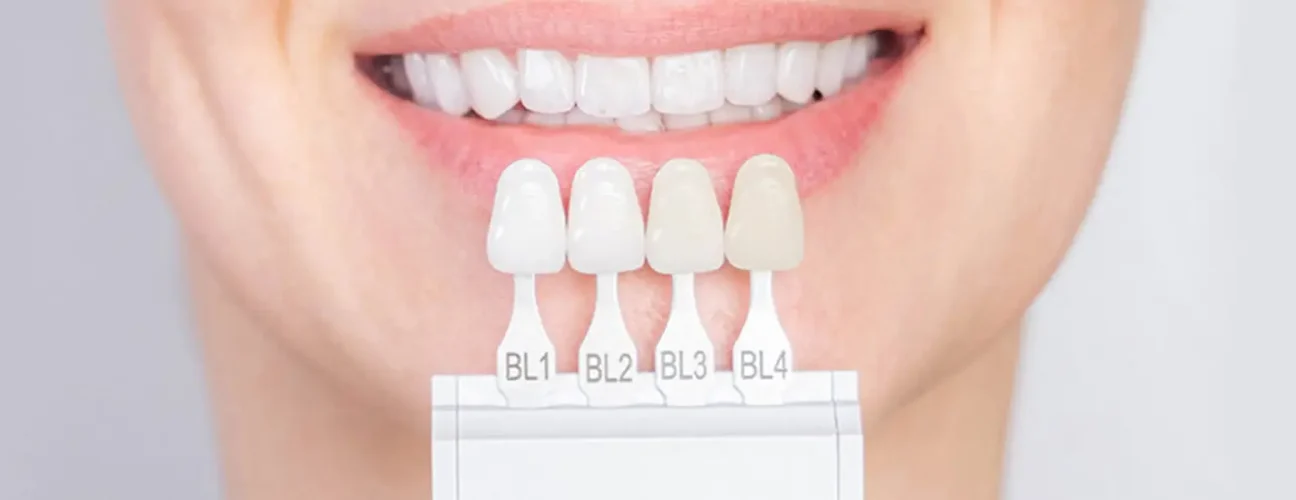
March 10, 2026Many people explore cosmetic dentistry when they want to improve the appearance of their smile. Small chips, uneven tooth edges, stains, or minor gaps between teeth are common concerns. Patients researching veneers in Sugar Land, TX, often want to know how veneers compare with dental bonding and which option may better support their cosmetic goals.
Both veneers and bonding are commonly used to improve tooth appearance. These treatments can help design a more balanced smile while preserving natural tooth structure. However, they differ in materials, durability, and treatment approach. A consultation with a dependable dentist allows patients to discuss their goals and understand which option may be appropriate for their situation.
Understanding Veneers and Dental Bonding
Both veneers and bonding are cosmetic procedures designed to improve tooth appearance. Although they address similar cosmetic concerns, they use different materials and treatment methods.
Dental Veneers
Veneers are delicate shells that are put on the front surface of teeth. They are usually made from porcelain or other durable materials designed to resemble natural enamel.
Veneers are often recommended for cosmetic concerns such as:
- Teeth with deep discoloration that do not respond to whitening
- Minor gaps between teeth
- Small chips or worn tooth edges
- Teeth that appear uneven or irregular in shape
During treatment, the dentist in Sugar Land, TX, prepares the tooth surface and bonds the veneer securely to the tooth. The result is a smoother and more uniform appearance.
Dental Bonding
Dental bonding uses a tooth-colored composite material applied directly to the tooth. The dentist shapes the material to improve the tooth’s appearance and then hardens it using a special curing light.
Bonding is commonly used to address:
- Minor chips or cracks
- Small gaps between teeth
- Slightly uneven tooth edges
- Areas of mild discoloration
Bonding often requires less preparation than veneers and can sometimes be completed in a single dental visit.
Patients searching online for a cosmetic dentist near me frequently ask about these two cosmetic treatments because both options can enhance a smile.
Comparing Durability Between Veneers and Bonding
Durability is one factor patients consider when choosing a cosmetic dental treatment. Both veneers and bonding can provide aesthetic improvements, but they differ in their long-term performance.
Veneer Longevity
Porcelain veneers are formulated to be durable and resistant to staining. With right type of oral hygiene and timely dental care, veneers can upkeep their appearance for many years.
Several factors influence veneer longevity:
- Consistent brushing and flossing
- Avoiding biting on tough objects such as ice
- Attending routine dental exams
- Using protective appliances if teeth grinding occurs
Because veneers are custom-made in a dental laboratory, they are designed to fit the tooth precisely and maintain a natural appearance.
Bonding Longevity
Bonding material is durable but may wear or stain more easily than porcelain. Composite resin is slightly more porous, which means it can absorb pigments from certain foods and beverages over time.
Factors that may affect bonding durability include:
- Daily oral hygiene habits
- Frequent exposure to staining foods or drinks
- Grinding or clenching teeth
- The size of the bonded area
In some cases, bonded areas may require maintenance or replacement after several years.
Choosing the Option That Fits Your Smile Goals
Selecting between veneers and bonding depends on several factors related to oral health and cosmetic goals. A dental consultation helps determine which treatment may be appropriate for a particular patient.
Dentists typically evaluate several aspects before recommending cosmetic treatment.
These factors often include:
- The condition and strength of tooth enamel
- The extent of cosmetic concerns
- The alignment and bite of the teeth
- The patient’s expectations for durability and appearance
Some patients prefer veneers because they provide a longer-lasting cosmetic solution. Others may choose bonding when the cosmetic concern is minor and requires less preparation.
Cosmetic dentistry concentrates on amping up the appearance of teeth while maintaining healthy tooth structure. Understanding treatment options helps patients select an approach that fits their needs.
Conclusion
Veneers and dental bonding are two commonly used cosmetic dental treatments that can improve the appearance of teeth affected by chips, stains, or uneven edges. Although both treatments address similar concerns, they differ in materials, durability, and treatment process.
Learning about these differences helps patients make informed choices about their dental care. A professional consultation allows a dentist to evaluate oral health, discuss cosmetic goals, and determine whether veneers or bonding may be appropriate.
Patients interested in cosmetic dental treatment options may schedule a consultation with Smiles on Greatwood Dentistry, where dental professionals provide guidance on treatments designed to enhance and maintain healthy smiles.
How Clear Aligners Create Space and Improve Tooth Alignment
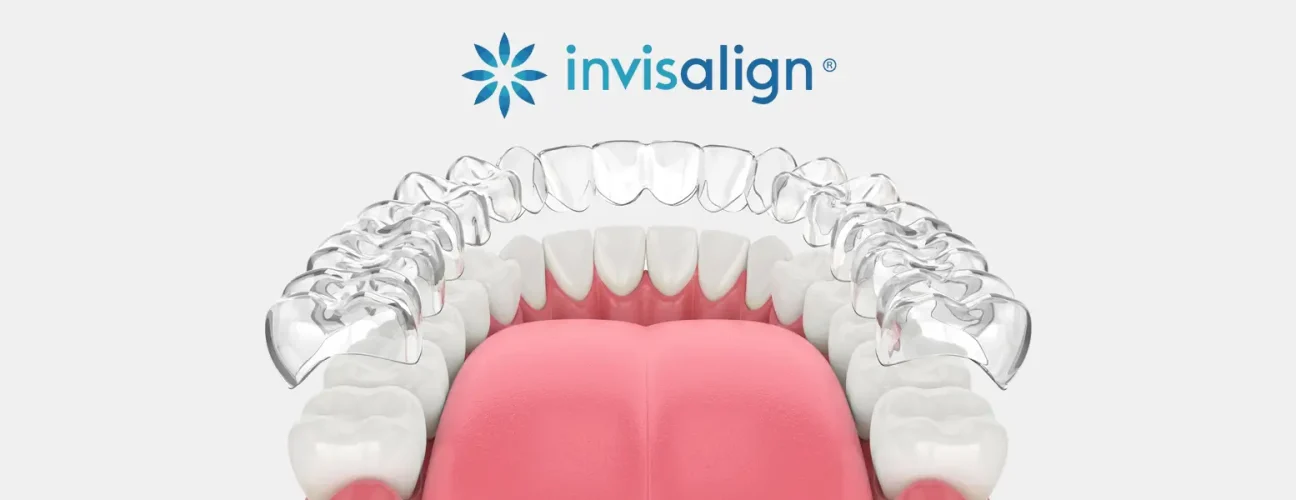
March 1, 2026Tooth alignment plays an important role in daily oral function, hygiene access, and bite balance. When teeth are crowded or unevenly positioned, cleaning can become more challenging, and chewing forces may place uneven stress on certain areas of the mouth. Patients exploring options such as invisalign in Sugar Land TX, are typically evaluated to determine how gradual, controlled tooth movement may improve spacing while supporting gum and bone health. Clear aligner therapy is planned in stages so that teeth reposition slowly, allowing oral structures to adapt in a stable and predictable way.
How Misalignment Affects Oral Health
Crowded or rotated teeth can limit access for brushing and flossing. Plaque may collect in tight or overlapping areas, increasing the risk of enamel breakdown and gum inflammation over time. Dentists assess whether tooth position is contributing to these hygiene challenges by examining spacing, contact points, and gum condition.
Misalignment also affects how biting forces are distributed. When teeth do not meet evenly, certain areas of the mouth may experience increased pressure during chewing. This imbalance can contribute to localized wear, sensitivity, or structural strain on specific teeth. A dentist in Sugar Land TX, evaluates tooth position, bite contact, and periodontal health to determine whether alignment correction may help reduce these risks and support long-term stability.
Role of Advanced Digital Treatment Planning
Before aligner treatment begins, dentists conduct detailed digital evaluations of tooth position and bite relationships. Intraoral scans provide precise information about spacing, rotation, and contact across the dental arches. This data supports clinical planning of tooth movement before aligners are prescribed.
Digital treatment planning enables dentists to:
- Identify areas where spacing must be developed
- Determine the sequence in which teeth should move
- Evaluate how bite forces may change as alignment progresses
- Reduce unnecessary movement that could compromise stability
This planning process helps dentists manage alignment while considering bone support and gum health. For patients receiving Clear Aligners in Texas, digital evaluation helps dentists anticipate tooth movement and monitor changes throughout care.
How Clear Aligners Improve Overall Tooth Alignment
Clear aligners apply measured force to selected teeth through a series of custom-fitted trays. Each aligner delivers a specific amount of pressure that encourages incremental repositioning. Dentists plan tooth movement in phases so space opens progressively, allowing crowded teeth to realign without excessive strain on the bite.
Through this approach, dentists can:
- Address crowding by developing controlled spacing
- Correct tooth rotation with gradual force application
- Support balanced bite contact as alignment improves
- Monitor biological response during follow-up evaluations
Because aligners are removable, patients can maintain routine oral hygiene during treatment. Dentists review progress at scheduled visits to assess tooth movement and monitor gum tissue response, making adjustments when necessary to maintain stability.
Who Can Benefit Most from Clear Aligners
Clear aligners may be appropriate for adolescents and adults with mild to moderate alignment concerns. Patients with crowding, spacing irregularities, or minor bite discrepancies are commonly evaluated for this form of treatment. Dentists assess overall oral health, including gum condition and bone support, before determining whether aligner therapy is suitable.
In some situations, alignment correction improves spacing or bite relationships that are relevant to future dental care. In other cases, clear aligners help maintain stability following previous orthodontic treatment. Patients who begin their search for care near me often require a professional evaluation to determine whether aligner therapy is clinically appropriate for their needs.
Not all alignment concerns respond to aligners alone. Dentists determine suitability by evaluating bite complexity, the amount of tooth movement required, and the patient’s ability to follow wear instructions consistently.
Final Thoughts
Clear aligners support tooth alignment through gradual, controlled movement that prioritizes function and long-term stability. By developing space incrementally, aligner therapy can improve hygiene access and support balanced bite forces over time. At Smiles On Greatwood Dentistry, alignment planning emphasizes careful evaluation, predictable tooth movement, and sustained oral health rather than cosmetic outcomes alone.

Loose Dental Crown: Is It a Dental Emergency?
February 10, 2026A dental crown helps protect and restore a damaged tooth. Over time, however, a crown may loosen or feel unstable. When this happens, patients often search for guidance from a local dentist in Sugar Land, TX, to understand whether the situation requires immediate care or a scheduled dental visit.
A loose crown can cause discomfort, sensitivity, or difficulty chewing. In some cases, the crown may remain attached but shift slightly when biting down. In other situations, the crown may come off completely. Knowing why a crown becomes loose and how dentists repair it can help patients respond appropriately and protect the underlying tooth.
Reasons a Dental Crown May Become Loose
Dental crowns are commonly utilized in restorative dentistry to reinforce teeth that have become vulnerable or weak due to decay, fractures, or previous dental treatments. Patients who receive dental crowns in Sugar Land, TX often rely on these restorations to support normal chewing and maintain the structure of the tooth beneath the crown.
Common causes include:
Normal wear of dental cement
The cement used to attach the crown can weaken gradually after years of chewing pressure.
Decay developing under the crown
If bacteria reach the tooth beneath the crown, decay can affect how securely the crown fits.
Biting hard foods
Hard foods such as ice, hard candy, or unpopped popcorn kernels may place stress on the crown.
Teeth grinding or clenching
Continuous grinding can create pressure that loosens the crown over time.
Accidental trauma
A fall or sports injury can affect the crown’s position or cause it to dislodge.
When any of these issues occur, the crown may feel loose or unstable during normal activities like chewing.
When a Loose Crown Requires Prompt Care
Not every loose crown requires emergency treatment. However, it should still be evaluated by a dental professional to protect the underlying tooth.
The urgency often depends on the symptoms and the condition of the tooth.
Signs that may require faster dental attention include:
- Experiencing discomfort or heightened sensitivity while eating or consuming beverages at extreme temperatures.
- Swelling or puffiness around the affected tooth or gum area
- A crown that has completely fallen off
- Difficulty biting normally because the crown shifts
If the crown remains attached and there is no significant discomfort, patients may be able to schedule a dental visit within a short period of time. However, delaying evaluation for too long may allow the exposed tooth structure to become damaged.
When these concerns occur, many people begin searching for a dentist in their area who can examine the crown and determine the appropriate treatment.
How Dentists Restore a Loose Crown
When a patient visits the dental office with a loose crown, the dentist begins by evaluating both the crown and the tooth underneath. The condition of the crown and the health of the tooth will determine the appropriate solution.
A dental appointment for a loose crown often involves several steps.
These steps may include:
- Examining the tooth and crown – The dentist checks for cracks, decay, or changes in the tooth structure.
- Cleaning the crown and tooth surface – Old dental cement and debris are removed so the crown can fit properly again.
- Reattaching the crown – If the crown and tooth remain in good condition, the dentist may secure the crown with new dental cement.
- Recommending a new crown if necessary – If the crown is damaged or the fit has changed, replacing the crown may be recommended.
If decay is found beneath the crown, additional treatment may be required before a new crown can be placed.
Conclusion
A loose dental crown can be concerning, especially if it affects chewing or causes sensitivity. While some situations may not require immediate emergency treatment, it is still important to have the crown evaluated by a dental professional.
Prompt evaluation allows the dentist to determine whether the crown can be reattached or whether additional restorative care is needed. Addressing the issue early helps protect the tooth and reduce the chance of further damage.
Patients who notice a loose crown or discomfort around a crowned tooth may schedule an appointment with Smiles on Greatwood Dentistry, where dental professionals can assess the restoration and recommend appropriate treatment based on the patient’s oral health.